
For those who were unable to make it to this year’s OHBM Annual Meeting in Bordeaux, I’ve made a short video highlighting what I found noteworthy. For example:
LLMs and Agents are hot, hot hot. There were several talks, posters, and panel discussions about how artificial intelligence will be used to automate tasks such as preprocessing, statistical modeling, quality assurance checks, and awkwardly asking out that one person in your graduate school cohort who sits in front of you in Stats 101. There is still debate about how effective Agents will be unless they are properly trained and supervised, and that requiring too much supervision could offset the time savings they are expected to generate. In any case, something to keep an eye on.
Scanner harmonization is becoming increasingly important for multi-site studies in order to control for site-related confounds. One of the most popular software packages for harmonization is called ComBat, which was also used during the educational course I went to. Simply inserting a covariate for scanner site during modeling is probably not enough, and more sophisticated methods will be needed.
Neuromodulation appears to be making progress towards becoming an FDA-approved, widely-used technique for alleviating clinical symptoms of depression, anxiety, and constantly ruminating about how you fumbled asking out that person in Stats 101. Seriously, what were you thinking? And then she starts dating that guy in the wet lab who has a ponytail and a thumb ring. But I don’t dwell on the past.
What was I talking about? Something about neuromodulation. Right; we seem to be moving from the invasive stimulation through implanting electrodes, such as deep brain stimulation for movement disorders, to non-invasive techniques such as transcranial magnetic stimulation and focused ultrasound. Early results are promising, and it remains to be seen whether such methods will supplement or replace pills and electroconvulsive therapy.
With the proliferation of open-access datasets - ADNI, HCP, OpenNeuro, and so on - it may make more sense to do all of the preprocessing and analysis on the cloud, for example through a platform such as brainlife.io. Doing so could get around space limitations on local machines, and also better protect sensitive data. And since the large number of databases implies a large number of individual datasets, meta-analysis is becoming even more useful to summarize what has been done so far, and to sift through what has already been collected in order to discover patterns and effects that may have been overlooked. Take a look at software packages and website such as NiMARE, Neuroquery, and neurosynth-compose.
These were just a few of the topics I noticed; of course there were many more, including trends in scientific communication, web-based tools for data analysis and visualization, and longitudinal analyses of developmental datasets such as the Adolescent Brain Cognitive Development study. And then there was Bordeaux itself, which is one of the most beautiful cities I have ever visited.


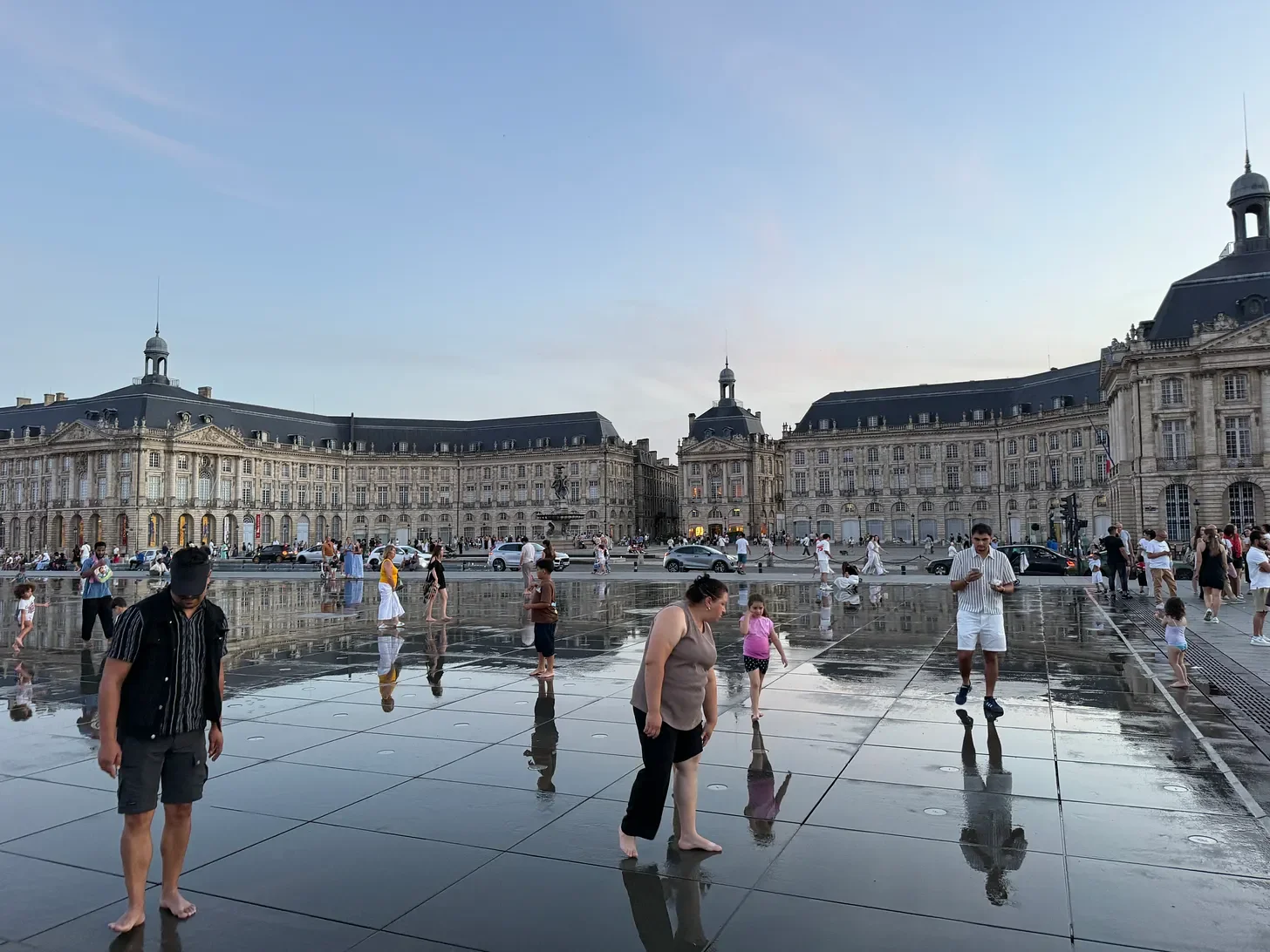
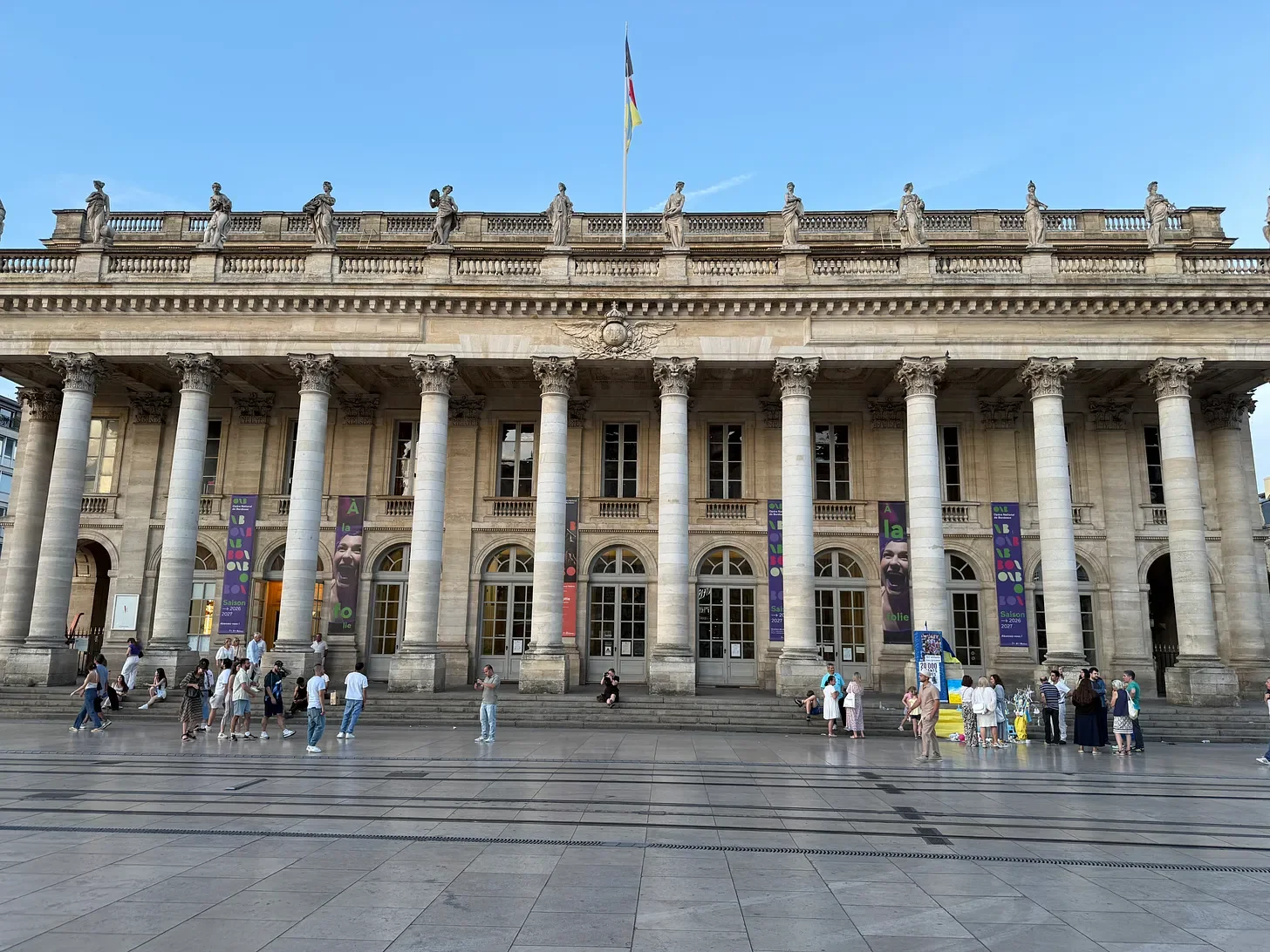
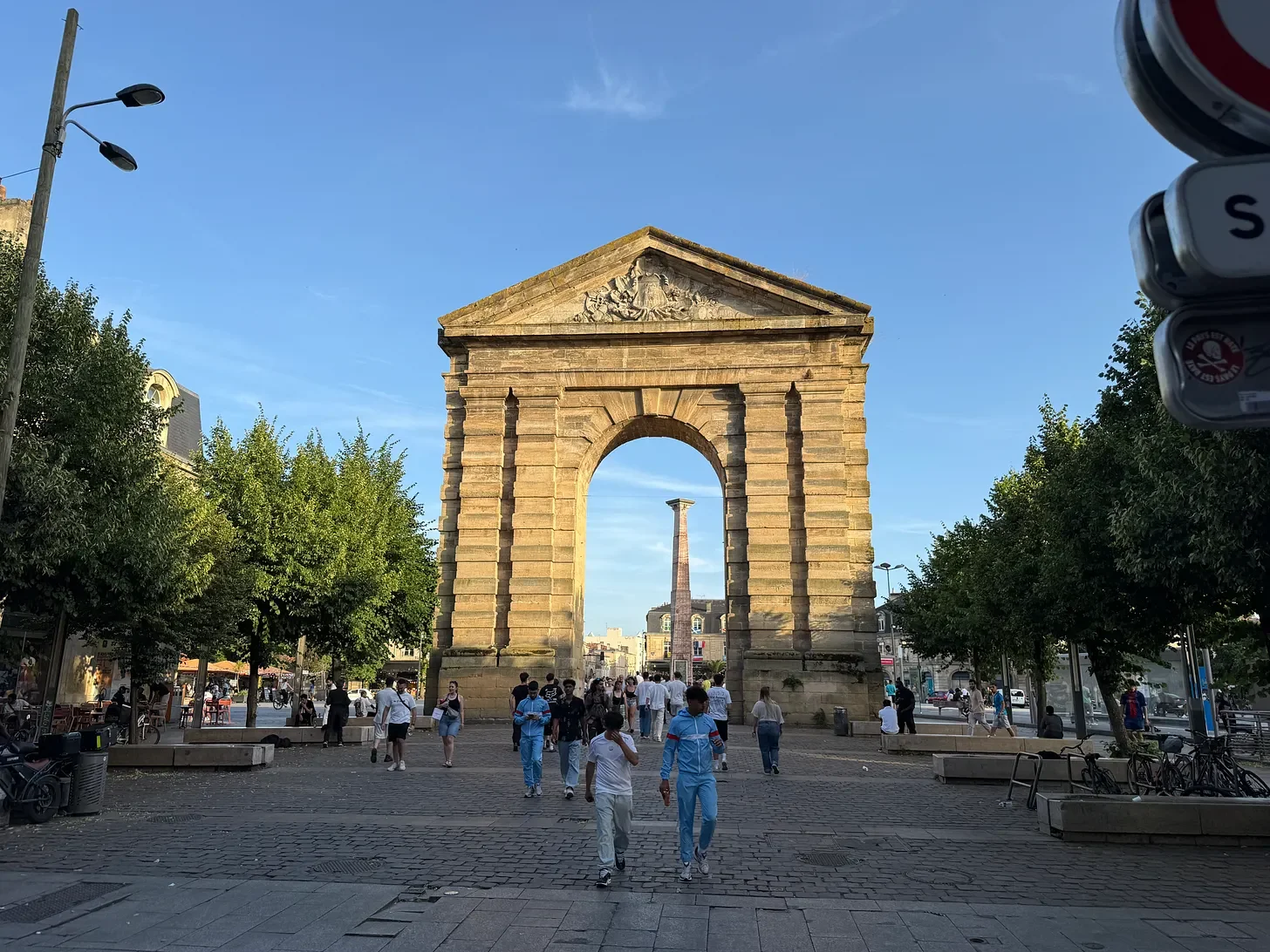
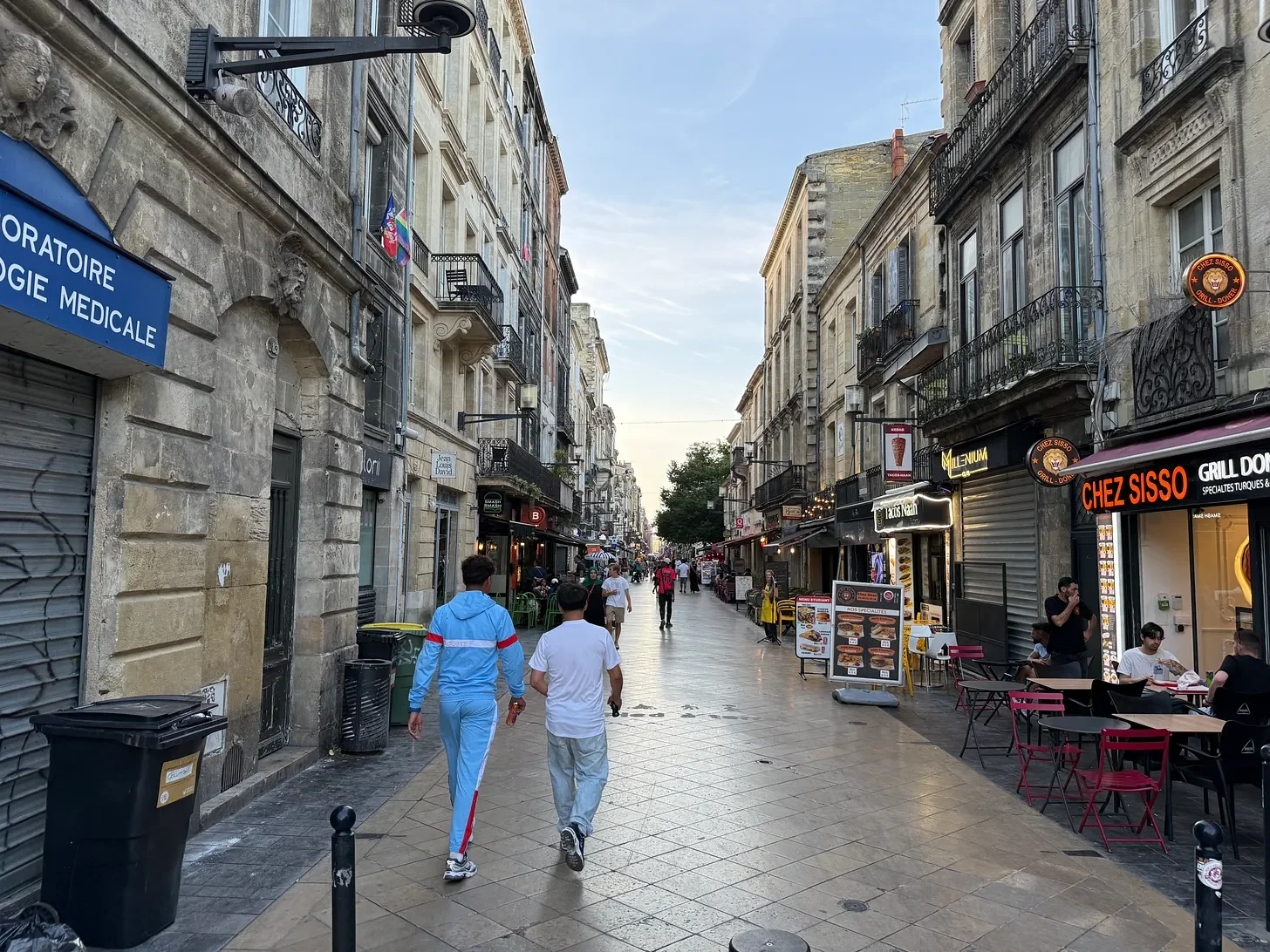
Most remarkable are the buildings that face the Garonne river; designed in what I gather is a Neo-Classical design, they bring about feelings of calm and lucidity as you regard them, especially as the sun sets in the west and lightly brushes their facades with soft golden rays. The Monument aux Girondins is an impressive tribute to the political leaders purged during the French Revolution, many of them from the Aquitaine cities of Bordeaux and Gironde; and there are many other touches of craftsmanship suffusing the buildings that evoke both beauty and modesty, a combination which in any art is one of the chief sources of refreshment for the soul. You may come across a neighborhood such as Place du Parlement or a structure like the Grosse Cloche without being aware of it, which is one of the recurring pleasures of walking around the city at random. Try it.
